Introduction
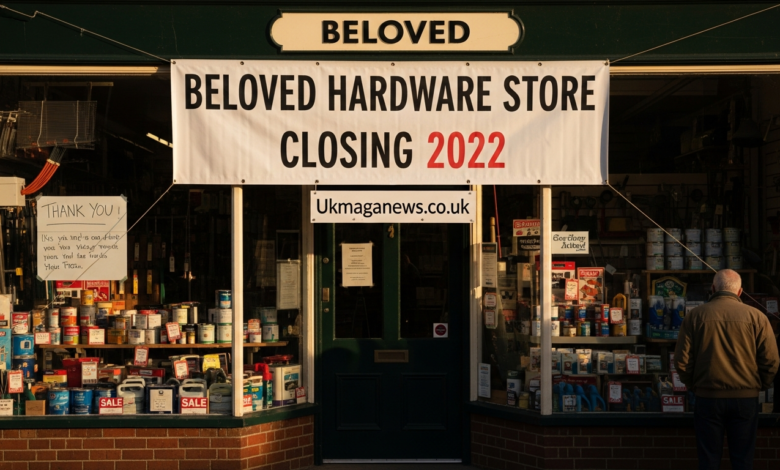
Picture walking into your neighborhood hardware store where the owner greets you by name and remembers that you’re working on a deck project. That personal touch, that feeling of community connection, became increasingly rare in 2022. The beloved hardware store closing 2022 trend hit communities across America hard, leaving empty storefronts where gathering places once stood.
Throughout 2022, countless independent hardware stores shuttered their doors permanently. These weren’t just retail spaces. They were community institutions where generations learned about home repair, where neighbors bumped into each other, and where expert advice came free with every purchase. The COVID-19 pandemic’s lingering effects, supply chain disruptions, and increasing competition from big box retailers created perfect storm conditions.
In this comprehensive article, you’ll discover why so many beloved hardware stores closed in 2022. We’ll explore specific cases, examine the broader economic forces at play, understand the community impact, and look at what these closures mean for the future of local retail. Whether you’ve experienced a beloved hardware store closing in your own town or you’re interested in the changing retail landscape, this guide provides the complete picture of what happened and why it matters.
The 2022 Hardware Store Closure Wave
The year 2022 marked a particularly difficult period for independent hardware stores across the United States. Multiple factors converged simultaneously, creating unprecedented challenges. Small retailers that had survived decades suddenly found themselves unable to continue operations.
National statistics paint a sobering picture. Industry reports indicated that independent hardware stores closed at rates not seen since the 2008 financial crisis. The National Retail Hardware Association noted significant membership losses throughout the year. Communities from coast to coast watched beloved local businesses disappear.
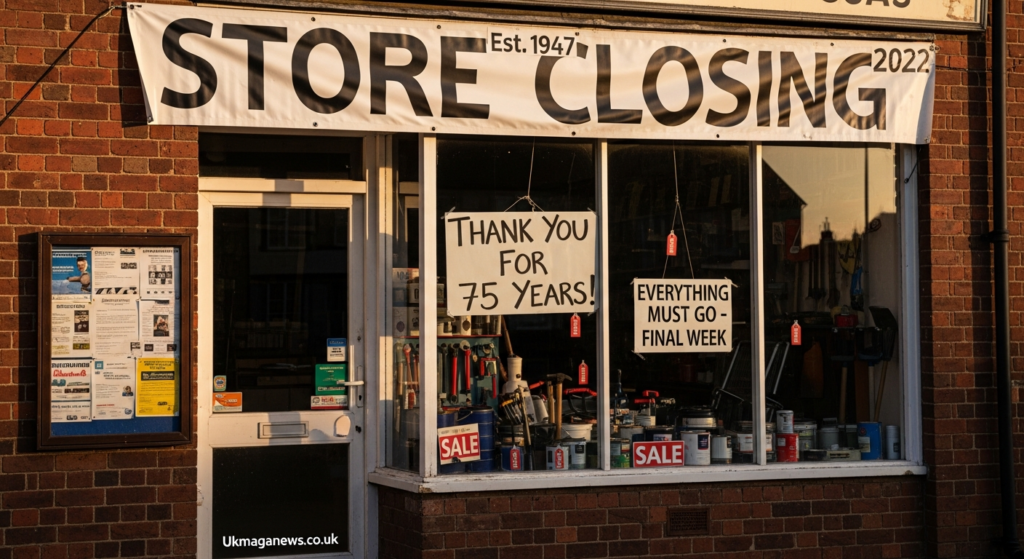
This wasn’t just about numbers on a spreadsheet. Each beloved hardware store closing 2022 represented decades of accumulated knowledge, relationships, and community investment vanishing. Store owners who had planned to retire gradually were forced into sudden closures. Employees who had worked at the same location for years found themselves job hunting unexpectedly.
The closures weren’t evenly distributed. Rural communities and small towns felt the impact most severely. These areas often had only one hardware store serving the entire region. When it closed, residents faced traveling significant distances for basic supplies. Urban neighborhoods also lost cherished stores, though they typically had more alternatives nearby.
Notable Hardware Store Closures in 2022
Several high-profile closures captured national attention and illustrated broader trends. These stores had served their communities for generations before economic pressures became insurmountable.
Small Town Institutions
Miller’s Hardware, Vermont After 87 years serving a small Vermont town, Miller’s Hardware closed its doors in March 2022. The family-owned business had passed through three generations. The final owner cited inability to compete with online retailers and rising operational costs as primary factors.
The store had been more than a retail space. It hosted community bulletin boards, sponsored Little League teams, and served as an informal gathering spot. Local residents organized a farewell celebration that drew hundreds. Many shared stories of childhood visits and projects completed with supplies from Miller’s.
Thompson Hardware, Oregon This Pacific Northwest staple closed after 65 years in June 2022. The owners had navigated numerous economic challenges over decades. However, pandemic-related supply chain issues combined with labor shortages proved insurmountable.
What made Thompson Hardware special was the depth of expertise available. Staff members collectively had over 200 years of hardware experience. Customers could bring in broken parts and receive help identifying obscure replacements. That knowledge walked out the door forever when the store closed.
Urban Hardware Stores
Brooklyn Supply Company, New York A beloved fixture in a gentrifying Brooklyn neighborhood closed after 52 years. The store had adapted to neighborhood changes multiple times. It survived the area’s decline in the 1970s and navigated the subsequent revitalization.
Rising commercial rents ultimately forced the closure. The landlord doubled the rent when the lease expired. Even with strong sales, the store couldn’t absorb such dramatic cost increases. The space quickly became a chain pharmacy, symbolizing broader neighborhood transformations.
Martinez Hardware, California This San Francisco Bay Area store served its community for 78 years before closing in September 2022. Three generations of the Martinez family had operated it. The decision to close was emotional but financially necessary.
Competition from big box stores within a five-mile radius had gradually eroded the customer base. Online retailers captured additional market share. The final blow came from staffing difficulties. The store couldn’t find and retain employees at wages that made business sense.
Why Independent Hardware Stores Struggled in 2022
Understanding the beloved hardware store closing 2022 phenomenon requires examining multiple interconnected factors. No single cause explains the closures. Instead, various pressures combined to create untenable situations for small retailers.
Pandemic Aftermath
The COVID-19 pandemic’s lingering effects heavily impacted small hardware stores. While 2020 and 2021 saw initial DIY booms, 2022 brought a return to pre-pandemic patterns. Many stores had adjusted operations and inventory for sustained high demand that suddenly evaporated.
Supply chain disruptions that began during the pandemic continued affecting independent retailers disproportionately. Large chains negotiated priority delivery and better terms with suppliers. Small stores often found themselves at the back of the line. Customers grew frustrated when needed items weren’t available.
Some stores had taken on debt to survive pandemic closures and slow periods. As 2022 progressed, loan payments came due. Refinancing became difficult as interest rates rose sharply. Stores that might have weathered challenges in other circumstances found themselves financially strained beyond recovery.
Big Box Competition
Competition from Home Depot, Lowe’s, and similar chains has challenged independent hardware stores for decades. However, 2022 saw particularly aggressive expansion and pricing strategies from these giants. They leveraged economies of scale that small stores simply couldn’t match.
Big box stores offered broader product selections at lower prices. They had sophisticated inventory management systems and national buying power. While independent stores provided superior customer service, many consumers prioritized price and selection over personalized assistance.
The convenience factor also played a role. Large stores offered one-stop shopping for major projects. Extended hours accommodated customers with varied schedules. Many had garden centers, appliance sections, and tool rental services that independent stores couldn’t economically provide.
Online Retail Pressure
Amazon and other online retailers captured increasing market share from hardware stores in 2022. Customers discovered they could order obscure parts and specialty items with next-day delivery. Price comparison shopping became effortless, often revealing lower online prices.
The convenience of home delivery appealed to busy consumers and those with limited mobility. Why drive to a store when you could click and wait for doorstep delivery? This behavior shift accelerated during the pandemic and became permanent for many shoppers.
Independent hardware stores struggled to develop competitive e-commerce operations. Building and maintaining online platforms required technical expertise and financial investment. Small margins made it difficult to offer free shipping. The economics of online retail favored large-scale operations.
Rising Operational Costs
Commercial real estate costs soared in many markets throughout 2022. Property owners raised rents to match market rates, especially in gentrifying or high-demand areas. Stores operating on thin margins couldn’t absorb dramatic rent increases without raising prices uncompetitively.
Labor costs also climbed significantly. Worker shortages meant higher wages and better benefits were necessary to attract staff. Independent stores competed with big box retailers and other industries for the same labor pool. They often couldn’t match the wages and benefits larger companies offered.
Utility costs, insurance premiums, and regulatory compliance expenses all increased. Inventory costs rose due to inflation and supply chain issues. These mounting expenses squeezed already tight profit margins. Many store owners found themselves working harder for less compensation than they could earn elsewhere.
Generational Transition Challenges
Many independent hardware stores were family businesses facing succession challenges. Founding generations reached retirement age without clear successors. Children had pursued other careers or lacked interest in retail. Finding external buyers for small hardware stores proved extremely difficult.
The business model required significant capital investment in inventory. Potential buyers faced uncertain futures given competitive pressures. Banks were reluctant to finance purchases of small retail businesses. Without viable succession plans, closure became the only option when owners could no longer continue.
Some stores attempted to transition to employee ownership or community cooperative models. These efforts faced legal, financial, and organizational hurdles. While some succeeded, many couldn’t overcome the complexity and ultimately closed instead.
Community Impact of Hardware Store Closures
When a beloved hardware store closing 2022 affected your community, the impact extended far beyond lost retail space. These closures created ripples throughout local economies and social fabric.
Economic Consequences
Hardware store closures eliminated local jobs immediately. Employees, often long-term workers, lost positions and institutional knowledge. These weren’t just cashier jobs. Experienced staff possessed expertise about building codes, project planning, and product applications that disappeared with the store.
Local tax bases suffered when businesses closed. Commercial property owners lost tenants, sometimes leaving spaces vacant for extended periods. Reduced business activity meant lower sales tax collection. Some communities saw cascading effects as other nearby businesses struggled without the foot traffic the hardware store generated.
The multiplier effect of local spending disappeared. Independent stores typically sourced some products locally and used community services. That money recirculated through the local economy multiple times. When replaced by chains or online shopping, more money left the community immediately.
Social and Community Effects
Hardware stores often served as informal community centers. Regulars gathered to discuss projects, local issues, and life in general. The store was a third place between home and work where social connections formed and strengthened. This social infrastructure vanished with closures.
Knowledge transfer stopped when experienced staff dispersed. Younger generations lost access to mentors who could teach practical skills. The informal education that happened in hardware stores, where customers learned proper technique and problem-solving, became unavailable.
Some communities lost their last locally-owned retail business. This represented a shift from places shaped by residents to spaces defined by distant corporations. The sense of local identity and uniqueness diminished. Generic chain stores didn’t reflect or reinforce community character the way beloved local businesses had.
Practical Challenges for Residents
Residents faced practical difficulties after beloved hardware store closing 2022 events. Emergency repairs requiring immediate supplies became problematic. If the nearest hardware source was 30 miles away, a burst pipe or broken lock created serious complications.
Professional contractors and handymen lost convenient supply sources. They had developed relationships with store staff who set aside needed materials and offered contractor pricing. The efficiency of grabbing supplies from a nearby store where staff knew their preferences couldn’t be replicated at big box stores.
Elderly residents and those without vehicles faced particular hardship. A neighborhood hardware store was accessible by foot or short drive. Traveling to distant big box stores required transportation arrangements. Online shopping wasn’t intuitive or comfortable for all demographics. Some residents simply went without rather than navigating new systems.
Stories From Affected Communities
The human stories behind statistics reveal the beloved hardware store closing 2022 phenomenon’s true impact. Real people experienced real losses that numbers alone can’t convey.
The Handyman’s Lament
Tom, a 58-year-old handyman in rural Pennsylvania, described how his local hardware store’s closure affected his business. “I’d stop at Jensen’s every morning before jobs. Dale would have my regular supplies ready, plus whatever special order items I’d called about. We’d discuss tricky problems over coffee.”
After Jensen’s closed, Tom’s nearest option was a big box store 40 minutes away. “I spend two hours daily now just driving for supplies. That’s two hours I’m not working. Plus, nobody there knows me or cares about my specific needs. They’re just retail workers following corporate procedures.”
The relationship loss hurt beyond business impacts. “Dale taught me half of what I know. When I hit something weird, I could describe it and he’d know exactly what I needed. That expertise is gone. I’m figuring everything out alone now or wasting time searching online.”
The Retiree’s Perspective
Margaret, a 72-year-old homeowner in Oregon, relied on her local hardware store for home maintenance. “I could walk to Morrison’s. They knew me, knew my old house, and helped me solve problems. If something broke, I’d bring in the pieces and they’d find replacements.”
When Morrison’s closed, Margaret struggled adapting. “The nearest store now requires driving on highways I’m not comfortable with. Online shopping confuses me. I’ve learned to ask neighbors for help, but I feel like a burden. I used to be independent.”
The social loss mattered as much as practical challenges. “Morrison’s was where I’d see people and chat. It kept me connected to the community. Now I’m more isolated. That store closing took away more than just a place to buy screws and paint.”
The Young Family’s Experience
Carlos and Jennifer, parents of two young children in suburban New Jersey, valued their neighborhood hardware store. “We were renovating our fixer-upper,” Carlos explained. “Randolph’s Hardware was our partner in that journey. They advised us, encouraged us, and helped us stay within budget.”
The store’s closure came at a difficult time. “We were halfway through the kitchen renovation. Suddenly, we had to figure out big box stores where nobody knew our project or could offer continuity. We made expensive mistakes buying wrong materials.”
Jennifer added, “Our kids loved going there. The owners always gave them little treats and let them help. It was teaching them about community and running a business. That learning opportunity disappeared. Now we click buttons online and boxes arrive. The human element is gone.”
Surviving Hardware Stores: Adaptation Strategies
Not all independent hardware stores closed in 2022. Some found ways to adapt and survive. Understanding their strategies provides hope and potential blueprints for other small retailers facing similar challenges.
Specialization and Niche Focus
Successful stores often carved out specializations that big box retailers couldn’t easily replicate. Some focused on vintage home restoration, stocking hard-to-find period-appropriate hardware. Others specialized in eco-friendly building materials or specific trades like plumbing or electrical supplies.
Specialization allowed stores to serve customers willing to pay premiums for expertise and specialized inventory. These customers valued knowledge and specific products over low prices. By becoming the go-to source for particular needs, stores built defensible market positions.
Embracing E-Commerce
Forward-thinking stores developed online presence while maintaining physical locations. They created websites showcasing unique inventory and offering local delivery. Some partnered with platforms that helped small retailers compete online without building everything from scratch.
The key was leveraging physical presence as an advantage. Customers could order online and pick up immediately, combining convenience with no shipping wait. Local delivery within hours competed effectively with Amazon’s next-day service for urgent needs.
Community Engagement
Stores that survived doubled down on community involvement. They hosted workshops teaching DIY skills. They sponsored local events and sports teams. They created loyalty programs rewarding regular customers. This built emotional connections that transcended transactional retail relationships.
Some stores incorporated community spaces with coffee, seating areas, and bulletin boards. They became neighborhood hubs intentionally. When closure threatened, communities rallied to support businesses they valued beyond just merchandise sources.
Service Excellence
Surviving stores made service quality their competitive advantage. Staff received extensive training. Stores empowered employees to solve problems creatively. The goal was making every customer interaction memorable for the right reasons.
This meant sometimes spending 30 minutes helping a customer with a $5 purchase. Short-term, it seemed economically questionable. Long-term, it built loyalty that brought customers back repeatedly and generated word-of-mouth recommendations worth more than advertising.
The Future of Independent Hardware Stores
The beloved hardware store closing 2022 trend raises questions about independent retail’s future. Will these businesses survive, or are they destined for extinction? The answer isn’t straightforward.
Challenges Ahead
Competition from online retailers will intensify. Amazon and others continue improving delivery speed and expanding product selections. Technology makes price comparison and home delivery increasingly seamless. Independent stores must find ways to offer value beyond basic retail transactions.
Generational preferences favor convenience and digital interactions. Younger consumers grew up with online shopping as default behavior. Converting them to physical store customers requires offering experiences online retail can’t match. This demands creativity and adaptation.
Economic pressures show no signs of easing. Commercial rents continue rising in many markets. Labor costs will likely remain elevated. Operating a small retail business with thin margins becomes increasingly difficult as expenses mount.
Reasons for Hope
Consumer interest in supporting local businesses has grown significantly. Many people now intentionally choose local stores over chains when possible. This “shop local” movement represents meaningful customer bases for independent retailers who effectively communicate their value.
The pandemic taught people that supply chain fragility and distant sources create vulnerabilities. Local businesses provide resilience and reliability that distant corporations can’t match. This realization may translate to sustained behavior changes favoring nearby stores.
Independent hardware stores offer something algorithms can’t replicate: human expertise and relationships. As DIY culture remains strong and homes age, people need knowledgeable help. Stores positioning themselves as problem-solving partners rather than product sellers can thrive.
Hybrid Models Emerging
The future likely involves hybrid businesses combining physical and digital presence. Successful stores will have strong local roots with online reach. They’ll offer in-person expertise with e-commerce convenience. This “phygital” approach plays to small business strengths while addressing changing consumer preferences.
Cooperative ownership models may become more common. Communities might band together to save beloved stores through cooperative purchases. Employee ownership structures could solve succession problems while maintaining institutional knowledge and community connections.
What You Can Do to Support Local Hardware Stores
If you value having a local hardware store and want to prevent beloved hardware store closing 2022 events from continuing, specific actions make a difference.
Shop Local First Make your first stop the local hardware store, even if prices are slightly higher. The expertise, convenience, and community value justify modest price differences. Consider the total cost including your time, shipping, and returns.
Build Relationships Get to know store owners and staff by name. Share details about your projects. Ask for advice. These connections make shopping personal and enjoyable while demonstrating you value the business beyond transactions.
Spread the Word Recommend your local hardware store to neighbors and friends. Leave positive online reviews. Share photos of projects on social media and mention where you bought supplies. Word-of-mouth marketing costs nothing but means everything to small businesses.
Be Patient Understand that small stores can’t stock everything. They might need to order items, which takes longer than clicking “buy now” online. Factor this into project planning. Your patience sustains businesses that provide long-term value.
Attend Events Participate in workshops, demonstrations, and community events stores host. These activities strengthen community bonds while supporting the business. Your attendance encourages stores to continue investing in community engagement.
Conclusion
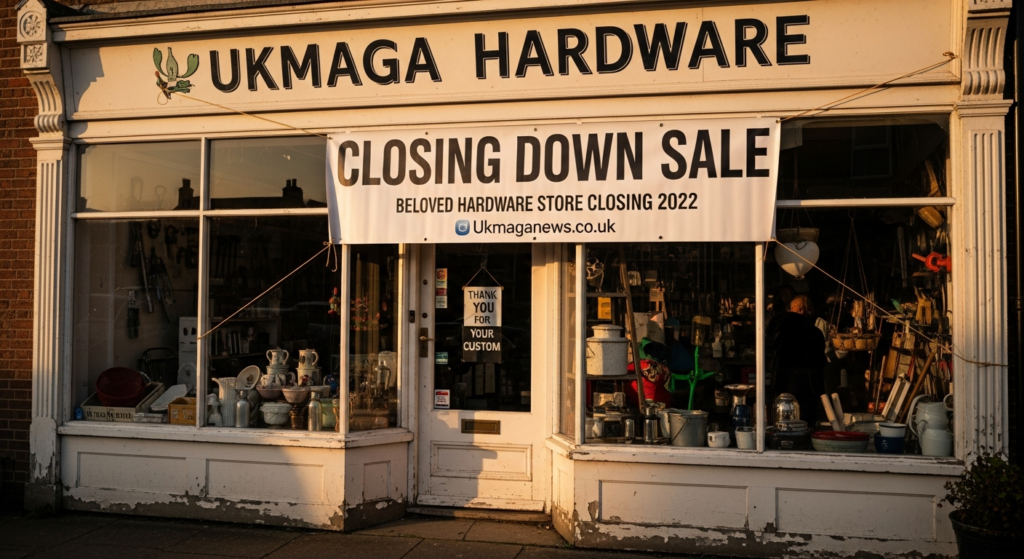
The beloved hardware store closing 2022 trend represented significant losses for communities across America. These weren’t just retail closures. They were the end of gathering places, knowledge centers, and community institutions. The combination of pandemic effects, online competition, rising costs, and generational challenges created perfect storms that many stores couldn’t weather.
Each closure left communities poorer in ways beyond economic measures. Jobs disappeared, expertise vanished, and social connections frayed. Residents lost convenient access to supplies and advice. The character of neighborhoods changed as local ownership gave way to chains or vacant storefronts.
Yet the story isn’t entirely bleak. Some stores found ways to adapt and thrive. Communities rallied to support businesses they valued. New models emerged combining traditional strengths with modern conveniences. The future of independent hardware stores depends partly on market forces, but also on conscious choices by consumers who value what these businesses provide.
Have you experienced a beloved hardware store closing in your community? How did it impact you personally? Share your stories and support your remaining local businesses before they become memories too. The hardware store you save might be your own neighborhood institution.
Frequently Asked Questions
Why did so many hardware stores close in 2022 specifically? Multiple factors converged in 2022 including lingering pandemic effects, supply chain disruptions, rising operational costs, increased competition from online retailers, and inflation. Stores that might have weathered individual challenges couldn’t survive when all hit simultaneously. Many stores also had pandemic-related debts coming due with higher interest rates making refinancing difficult.
Are hardware stores closing everywhere or just in certain areas? Closures occurred nationwide but affected rural areas and small towns most severely. These communities often had single hardware stores serving entire regions. Urban neighborhoods also lost stores, particularly in gentrifying areas where commercial rents increased dramatically. Suburban areas near big box store concentrations faced intense competition.
Can anything stop independent hardware stores from closing? Consumer support makes the biggest difference. Shopping local first, building relationships, and paying slightly higher prices for expertise and convenience sustains these businesses. Store adaptation through specialization, e-commerce integration, and community engagement also helps. However, some market forces are beyond individual control.
What happens to employees when hardware stores close? Employees lose jobs, often after years or decades with the same employer. Long-term workers possess institutional knowledge that becomes unmarketable elsewhere. Many find work at big box retailers or other industries, but lose the autonomy and customer relationships they valued. Some near-retirement employees exit the workforce earlier than planned.
Do communities ever save closing hardware stores? Yes, though it’s rare. Some communities organize cooperative purchases or employee buyouts. Others launch “save our store” campaigns generating sales surges. Success requires significant community organization, financial resources, and commitment. Most attempts come too late after stores are already financially stressed beyond recovery.
Are big box stores better than independent hardware stores? It depends on priorities. Big box stores offer lower prices, broader selection, and convenient hours. Independent stores provide personalized service, expert advice, community connection, and specialized knowledge. Neither is objectively better. They serve different needs and values. Many consumers benefit from having both options available.
Will online shopping eventually eliminate all hardware stores? Unlikely. While online retail captures significant market share, hardware needs often require immediate access or hands-on evaluation. Professional contractors need quick supply runs. Emergency repairs can’t wait for shipping. The stores most likely to survive will combine physical presence with online capabilities, offering best of both worlds.
How do hardware store closures affect property values? Research shows mixed effects. Losing the only hardware store in a rural area can negatively impact property values by reducing convenience and services. However, in urban areas, closed stores are often replaced by other retail or converted to housing, sometimes increasing values. The social and convenience losses may not reflect in property prices.
What can replace the expertise lost when hardware stores close? Nothing fully replaces decades of accumulated knowledge. Online tutorials and forums provide some information, but lack personalization and nuanced problem-solving. Big box store employees receive limited training compared to experienced hardware store staff. Communities lose mentorship and practical education when stores close. The expertise simply disappears.
Should I buy a closing hardware store? Only with careful due diligence. Understand why it’s closing and whether you can address those issues. Analyze financials realistically. Consider your retail experience and community connections. Evaluate competition and market conditions. Successful purchases usually involve buyers with industry expertise, strong community ties, capital for improvements, and clear plans for differentiation from competitors.
Also Read Ukmaganews.co.uk