Introduction
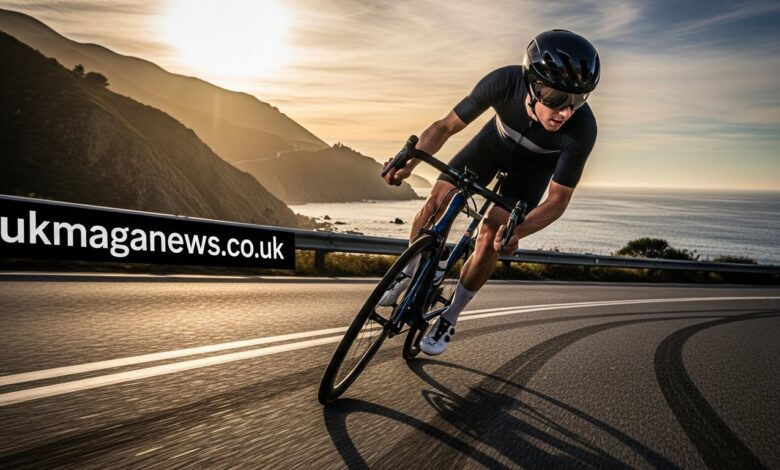
You’ve felt it—that electric surge when you cross the finish line, lungs burning, legs screaming, but your heart absolutely soaring. Being a competitive cyclist isn’t just about riding fast. It’s about pushing your limits in ways most people will never understand. It’s about the 5 AM training rides when everyone else is still asleep. It’s about the mental warfare that happens in the final kilometer of a race.
Whether you’re eyeing your first criterium or gunning for a regional championship, the jump from recreational rider to competitive cyclist changes everything. The training intensifies. The equipment matters more. Your nutrition becomes a science. And suddenly, you’re part of a community that speaks in watts, FTP, and cadence.
This guide breaks down what it really takes to compete and win. I’ll walk you through training protocols that work, gear choices that matter, and race strategies that separate podium finishers from the pack. Let’s get you ready to pin on that race number.
What Defines a Competitive Cyclist
A competitive cyclist isn’t just someone who rides fast on weekends. You’re competing when you’re actively training for and entering sanctioned races. This means you’ve committed to structured training, proper recovery, and constant improvement.
The typical competitive cyclist logs 200-400 miles per week during peak season. You’re tracking power output, heart rate zones, and performance metrics. You’ve probably got a coach or following a periodized training plan. Most importantly, you’re racing regularly—whether that’s road races, criteriums, time trials, or stage races.
Your mindset shifts too. Every ride has purpose. Easy days stay genuinely easy. Hard days push you to your absolute limit. You start thinking about aerodynamics, optimal gear ratios, and race tactics. The bike becomes more than transportation or exercise—it’s your competitive tool.
Types of Competitive Cycling
Road racing remains the most popular competitive cycling discipline. These mass-start events range from 40 to 100+ miles. You’re battling terrain, weather, and dozens of other riders all fighting for position.
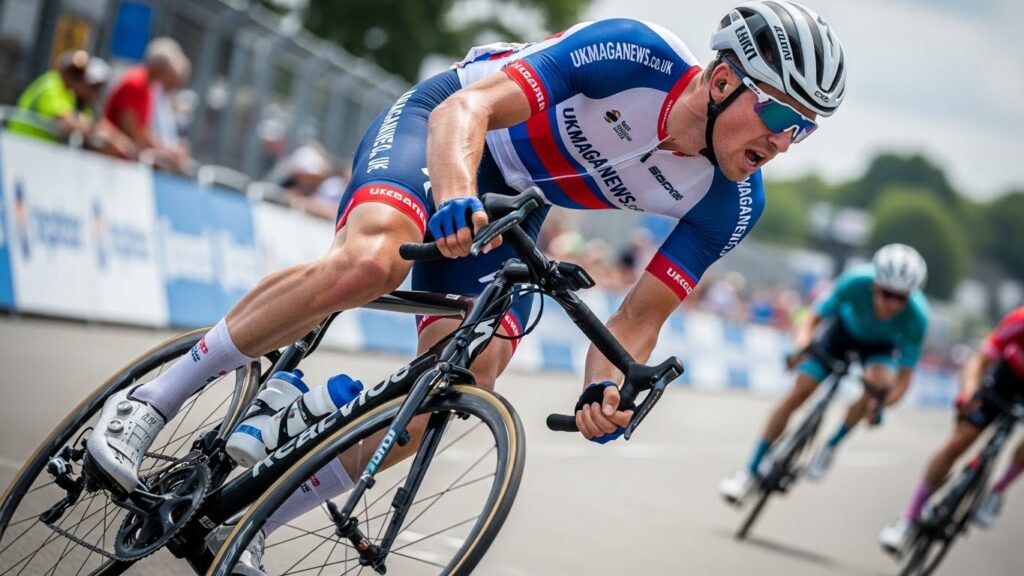
Criteriums (or “crits”) are fast, technical races on closed circuits. They typically last 30-90 minutes with multiple laps. Sharp corners, aggressive pack riding, and explosive accelerations define crit racing. If you love tactical, high-speed racing, crits deliver pure adrenaline.
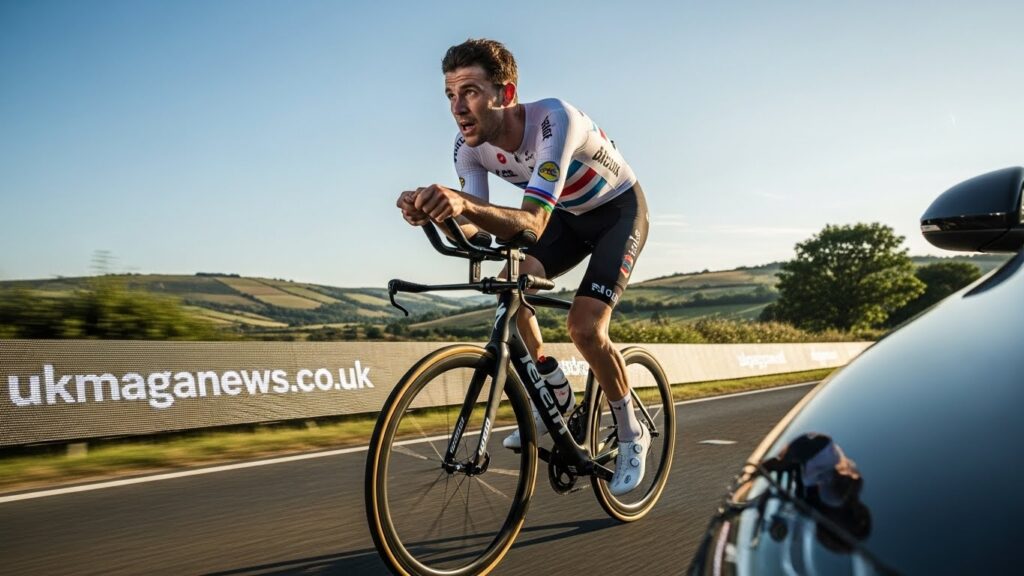
Time trials test you against the clock. No drafting, no tactics—just you, your bike, and maximum sustained effort. These races reveal your true fitness level. There’s nowhere to hide when it’s just you versus the road.
Mountain bike racing takes competition off-road. Cross-country races demand technical handling skills plus climbing power. Endurance events can last several hours across brutal terrain. If you prefer dirt, roots, and technical descents over smooth pavement, MTB racing might be your calling.
Essential Training for the Competitive Cyclist
Training separates recreational riders from serious competitors. You can’t just ride whenever you feel like it and expect to compete successfully. Your training needs structure, progression, and specific goals.
Building Your Aerobic Base
Base training forms the foundation of competitive cycling fitness. This phase typically runs 12-16 weeks during the off-season. You’re riding at moderate intensity (Zone 2) for extended durations. These rides feel easy—that’s the point.
Your body adapts by increasing mitochondrial density and improving fat oxidation. You’re teaching your muscles to work efficiently for hours. Most competitive cyclists spend 60-70% of their annual training time in this aerobic zone.
Long rides during base phase typically range from 2-6 hours. The key is maintaining consistent, comfortable effort. You should be able to hold a conversation throughout these rides. If you’re breathing too hard to talk, you’re going too hard.
High-Intensity Interval Training
Once you’ve built your base, intervals develop the specific fitness needed for racing. These workouts hurt. They’re supposed to. You’re training your body to produce and process lactate more efficiently.
Threshold intervals typically last 8-20 minutes at or slightly above your FTP (Functional Threshold Power). These sessions teach your body to sustain hard efforts. A typical workout might include 3×15 minutes at threshold with 5-minute recovery between efforts.
VO2 max intervals are shorter but more intense—usually 3-5 minutes at maximum aerobic capacity. These sessions boost your top-end power. They’re crucial for responding to attacks during races and making your own aggressive moves.
Sprint intervals develop your anaerobic power. Short, explosive efforts of 15-30 seconds followed by full recovery. These workouts improve your ability to jump in criteriums, respond to attacks, and contest field sprints.
Recovery and Rest Days
Recovery isn’t optional—it’s when your body actually gets stronger. Every hard training session breaks down muscle tissue. Rest allows repair and adaptation. Skip recovery and you’ll end up overtrained, slow, and potentially injured.
Active recovery rides should be genuinely easy. We’re talking 60-90 minutes at very low intensity. These rides flush metabolic waste and promote blood flow without creating additional training stress. Your heart rate should barely elevate.
Complete rest days mean no riding at all. One or two per week keeps you fresh. Sleep becomes crucial too—competitive cyclists need 8-9 hours nightly during heavy training blocks. Your body releases growth hormone during deep sleep, repairing all that training damage.
Gear That Matters for Competition
Your equipment choices directly impact performance. While fitness matters most, the right gear provides measurable advantages. Let’s focus on what actually makes a difference.
The Race Bike
A competitive race bike typically weighs 15-17 pounds. Modern carbon frames offer the best combination of stiffness, compliance, and weight. You want a frame that transfers your power efficiently while absorbing road vibration.
Aerodynamics matter more than weight for most racing. Wind resistance accounts for 70-90% of resistance at racing speeds. An aero frame saves you 20-40 watts compared to a traditional round-tube frame. That’s a free 1-2 mph at race pace.
Wheel selection impacts speed significantly. Deep-section carbon wheels (40-60mm) reduce drag and maintain momentum. For flat courses and time trials, deeper wheels provide clear advantages. Climbing races benefit from lighter, shallower wheels.
Race-Day Essentials
Your clothing should fit like a second skin. Loose fabric creates drag—it’s literally slowing you down. Quality bib shorts with a good chamois prevent saddle sores during long races. A properly fitted helmet that’s CPSC-certified is non-negotiable.
Clipless pedals and cycling shoes boost power transfer by 10-15% compared to flat pedals. You’re pulling up through the pedal stroke, not just pushing down. Most competitive cyclists use road-specific systems like Shimano SPD-SL or Look Keo.
Power meters provide objective data about your performance. These devices measure your actual wattage output. Racing with power helps you pace efforts correctly and avoid blowing up early. Expect to invest $400-1,200 for reliable power measurement.
Technology and Tracking
GPS cycling computers track your routes, speed, power, and heart rate. Devices from Garmin, Wahoo, and Hammerhead integrate with training platforms like TrainingPeaks and Strava. This data helps you track progress and analyze performance trends.
Smart trainers allow structured indoor workouts when weather or schedule prevents outdoor rides. These trainers adjust resistance automatically based on your workout. Zwift and similar platforms make indoor training bearable—even enjoyable—during the off-season.
Nutrition for Competitive Performance
Fueling properly makes or breaks your racing results. You can have perfect training and top equipment, but poor nutrition will leave you bonking in the final miles. Competitive cyclists need to eat like athletes, not recreational riders.
Daily Nutritional Needs
Competitive cyclists burn 3,000-6,000 calories on training days. You need adequate carbohydrates to fuel high-intensity efforts. During heavy training, carbs should comprise 55-65% of your total calories. That’s 6-10 grams per kilogram of body weight daily.
Protein supports muscle recovery and adaptation. Aim for 1.4-1.8 grams per kilogram of body weight. Spread protein intake throughout the day—your body can only process about 20-30 grams per meal effectively.
Healthy fats provide sustained energy and support hormone production. About 20-30% of calories should come from fats. Focus on omega-3s from fish, nuts, and avocados. These reduce inflammation from intense training.
Race-Day Fueling
Start your race properly fueled. Eat a carb-rich meal 2-3 hours before race start. Oatmeal, bananas, and toast with honey provide easily digestible energy. Avoid high-fat or high-fiber foods that might cause GI distress.
During races lasting over 90 minutes, you need 60-90 grams of carbs per hour. Energy gels, chews, and bars deliver quick fuel. Practice your race nutrition during training—never try new foods on race day.
Hydration matters as much as solid fuel. Dehydration of just 2% body weight impairs performance significantly. Drink 16-24 ounces of fluid per hour during races. Use bottles with electrolyte drinks, not just plain water.
Post-race recovery nutrition starts within 30 minutes of finishing. A 3:1 or 4:1 ratio of carbs to protein optimizes recovery. Chocolate milk actually works great—it hits these ratios naturally and provides fluids.

Race Strategy and Tactics
Fitness gets you to the race. Strategy wins the race. Understanding pack dynamics, positioning, and when to make your move separates smart racers from strong riders who finish mid-pack.
Pack Riding Skills
Riding in the peloton saves 20-40% of your energy compared to riding solo. You’re drafting behind other riders, using them as windbreaks. But pack riding demands constant attention and quick reflexes.
Position yourself in the front third of the pack when possible. This keeps you out of trouble and gives you options when moves happen. The back of the pack is where crashes happen and gaps open. You’ll burn more matches chasing back after every slowdown.
Practice riding inches from other wheels. Smooth pedal strokes and steady steering prevent overlapping wheels—the most common cause of crashes. Look ahead, not down at the wheel in front of you. Anticipate changes in pace before they happen.
When to Attack
Successful attacks require good timing and commitment. Random attacks rarely work—you need to exploit specific moments when the pack is weak or disorganized.
Attack on climbs when riders are already suffering. The gradient amplifies power differences. Going hard when others are at their limit creates gaps that are difficult to close.
Late-race attacks often succeed when everyone’s fatigued. The pack becomes less coordinated. Riders hesitate to chase because they’re hurting. If you’ve paced well and saved energy, the final 10-15 minutes offer prime attacking opportunities.
Crosswinds create echelon formations that split the field. Being attentive and positioned well when winds shift can put you in a select front group. Missing these splits often means your race is over—you’ll chase unsuccessfully for the rest of the event.
Sprint Finishes
If it comes down to a field sprint, positioning in the final kilometer determines everything. Move up gradually during the last 5 kilometers. With 1 kilometer to go, you should be in the top 10 positions.
Find a wheel to follow in the final 500 meters. Top sprinters position themselves behind leadout trains or strong finishers. You’re using other riders to block wind until launching your final sprint.
Start your sprint with 150-250 meters remaining. Too early and you’ll fade before the line. Too late and you’ll run out of road. Practice sprint timing in training and smaller races before your big events.
Mental Preparation and Race Mindset
Your mind often gives out before your body. Competitive cycling demands mental toughness that matches physical fitness. Learning to push through discomfort and maintain focus separates good racers from great ones.
Visualization helps program your brain for success. Spend 10-15 minutes daily imagining your race. See yourself riding strong, handling critical moments, and finishing well. Your brain can’t distinguish between vividly imagined experiences and reality—use this to build confidence.
Pre-race nervousness is normal—channel that energy productively. Those butterflies mean you care about your performance. Develop a consistent pre-race routine that calms your mind. Some riders use breathing exercises. Others listen to specific music or perform the same warm-up ritual.
During races, break the event into manageable segments. Don’t think about 80 miles remaining—focus on reaching the next climb or feed zone. Smaller goals keep you present and prevent overwhelming anxiety about the distance ahead.
Common Mistakes Competitive Cyclists Make
Even experienced racers fall into performance-killing traps. Recognizing these mistakes helps you avoid them and progress faster.
Training too hard too often ruins more competitors than any other mistake. You can’t race intensity every ride. Following an 80/20 rule—80% easy or moderate effort, 20% hard—produces better results than constant hard training.
Neglecting strength training leaves power on the table. Two sessions weekly of squats, deadlifts, and core work improve your on-bike power. Stronger muscles produce more force with each pedal stroke. Off-season is the perfect time to build strength.
Poor bike fit causes injuries and reduces power output. A professional fit costs $200-400 but prevents countless issues. Your position should be comfortable for long efforts while still aerodynamic. Don’t copy the pros—they’re often riding positions that work for them specifically.
Racing without a plan means you’re reacting instead of dictating. Study the course profile. Know where climbs and technical sections are. Decide your strategy before the start gun fires. Flexibility is good, but having no plan guarantees mediocre results.
Building Your Race Calendar
Strategic race selection helps you peak when it matters most. You can’t be in top form year-round. Plan your season around 2-3 key events where you want peak fitness.
Early-season races serve as training. You’re still building fitness, so results matter less than getting race intensity. These events shake off the rust and reveal fitness gaps needing work.
Build toward your A-priority races with supporting B and C events. B races happen when you’re fit but not peaked—they’re dress rehearsals. C races are training opportunities or social events where results don’t matter.
Allow 8-12 weeks of focused training between peak efforts. You can’t maintain top form indefinitely. Plan recovery periods after goal races. Your season might include 2-3 serious peaks with base building and recovery between them.
Conclusion
Becoming a successful competitive cyclist requires dedication that goes far beyond just riding your bike. You’re committing to structured training, proper nutrition, strategic racing, and constant learning. The road from recreational rider to podium finisher is challenging—that’s what makes success so rewarding.
Remember that every professional started exactly where you are now. They pinned on their first race number feeling nervous and uncertain. The difference between them and riders who quit? They kept showing up. They learned from every race. They trained consistently even when progress felt slow.
Your competitive cycling journey is uniquely yours. Some riders develop quickly, others take years to reach their potential. Focus on your own progression rather than comparing yourself to others. Celebrate small victories—your first pack finish, your first top-10 placement, your first time staying with the lead group on the climb.
What’s your next race? Pick an event, commit to your training, and take that first step. The competitive cycling community is waiting to welcome you.
FAQs
How much does it cost to become a competitive cyclist?
Getting started in competitive cycling typically costs $2,000-5,000. This includes a decent road bike ($1,500-3,000), basic gear like helmet, shoes, and clothing ($300-500), race licenses ($70-100 annually), and entry fees ($30-60 per race). As you get more serious, costs increase for better equipment, coaching, and travel to races.
How many hours per week should a competitive cyclist train?
Most competitive cyclists train 10-15 hours weekly during racing season. Beginners might start with 8-10 hours, while elite amateurs often reach 15-20 hours. Quality matters more than quantity—structured workouts produce better results than just logging miles. Include at least one rest day weekly.
Do I need a coach to race competitively?
While not required, a coach accelerates your development significantly. Coaches provide structured training plans, performance analysis, and accountability. If you’re self-motivated and willing to research training principles, you can follow pre-made plans or create your own. Coaching typically costs $150-400 monthly depending on the level of service.
What fitness level do I need before my first race?
You should comfortably ride 2-3 hours at a steady pace before racing. Being able to sustain 200-250 watts for 20 minutes gives you enough fitness to finish most beginner races without getting dropped immediately. Don’t wait until you’re “ready”—racing teaches skills that training alone can’t develop.
How do I find races in my area?
USA Cycling (or your country’s national federation) lists sanctioned races on their website. Local cycling clubs typically maintain race calendars too. BikeReg is a popular registration platform showing upcoming events. Join local group rides to learn about races from other cyclists in your area.
What category should I start racing in?
Most new competitive cyclists start in Category 5 (Cat 5) for men or Category 4 for women in the USA system. You’ll upgrade to higher categories by earning upgrade points through race results. Don’t worry about which category—just enter beginner races and you’ll be placed appropriately.
How important is weight for competitive cycling?
Power-to-weight ratio matters significantly for climbing performance. However, raw power matters more for flat races and time trials. Rather than obsessing over weight, focus on increasing power output through training. Many strong racers aren’t particularly light—they just produce high wattage.
Can I compete on an entry-level bike?
Yes, you can race on any safe, well-maintained bike. Your fitness matters far more than your equipment for beginner races. That said, a proper road bike with drop handlebars and multiple gears makes racing much more enjoyable. Upgrade your engine (fitness) before upgrading your bike.
How do I prevent crashes in pack riding?
Stay alert and look ahead, not down at the wheel in front of you. Keep hands on brake hoods for quick reactions. Don’t overlap wheels with the rider ahead. Avoid sudden movements—pedal smoothly and steer gradually. Practice group riding before racing to build confidence and skills.
What should I do the week before a big race?
Reduce training volume by 40-50% during race week while maintaining intensity. Do one or two short efforts to keep your legs sharp. Prioritize sleep—aim for 9 hours nightly. Eat normally but emphasize carbs the final 2-3 days. Stay hydrated and avoid trying any new foods or training.
also raed ukmaganews.co.uk