Introduction
Walking into a Madewell store feels different from most shopping experiences. The aesthetic is carefully curated, the vibe is effortlessly cool, and the shoes catching your eye from across the room seem to promise both style and substance. But when you flip over that boot or sneaker and see the price tag, you pause. Are Madewell shoes actually worth the investment?
This question comes up constantly in fashion forums, friend group chats, and internal debates while standing in fitting rooms. Madewell has built a reputation as the go to brand for women who want classic pieces with modern twists. Their denim is legendary. Their leather goods have devoted fans. But the shoes occupy an interesting space in their product lineup that deserves deeper examination.
In this comprehensive guide, you’ll learn everything about Madewell shoes, including their most popular styles, how sizing really works, what quality you can expect, and honest assessments of value. We’ll explore which styles are worth buying full price versus waiting for sales, how they compare to competitors, and tips for making your purchase last years. Whether you’re considering your first pair or you’re a longtime fan evaluating your next purchase, this guide gives you the information needed to shop confidently.
The Madewell Shoe Philosophy
Understanding what makes Madewell shoes distinct starts with the brand’s overall approach. Madewell positions itself in the accessible premium category. This means prices sit higher than fast fashion but lower than true luxury brands. The sweet spot appeals to women who value quality but remain conscious of budgets.
The design aesthetic prioritizes timeless appeal over trendy moments. You won’t find extreme silhouettes or attention grabbing embellishments that scream a specific season. Instead, Madewell shoes feature clean lines, neutral colors, and subtle details that work across multiple years. This philosophy means your boots purchased three years ago don’t look dated today.
Comfort factors heavily into their design process. Madewell shoes typically include cushioned footbeds, thoughtful arch support, and materials that break in rather than break your feet. The brand understands their customer wears shoes for actual life, not just Instagram photos. This practical approach distinguishes them from brands that prioritize aesthetics alone.
The typical price range for Madewell shoes runs from about $90 for basic sandals to $350 for premium leather boots. Most styles cluster between $130 and $200. This pricing reflects their market positioning as affordable luxury. You’re paying more than Target but less than designer brands. The value equation depends entirely on how the shoes perform at these price points.
Most Popular Madewell Shoe Styles
Certain Madewell shoes have achieved cult status among devoted fans. These styles consistently sell out, generate waiting lists, and earn recommendations across fashion communities. Understanding what makes them special helps identify whether they match your needs.
The Boardwalk Lace Up Sandal
This gladiator style sandal has become a summer staple for good reason. The design features adjustable laces that accommodate different foot shapes and provide secure fit. The cushioned footbed makes them surprisingly comfortable for all day wear. They work equally well with dresses, shorts, or jeans.
The leather softens beautifully with wear while maintaining structure. Many owners report these sandals lasting multiple summers with proper care. The neutral color options ensure they complement various wardrobes. At around $98, they represent solid value if you wear sandals frequently during warm months.
The main complaint involves the break in period. The leather can feel stiff initially and may cause rubbing until it molds to your feet. Wearing them around the house with socks for a few days before full outings helps accelerate this process. Once broken in, most people find them incredibly comfortable.
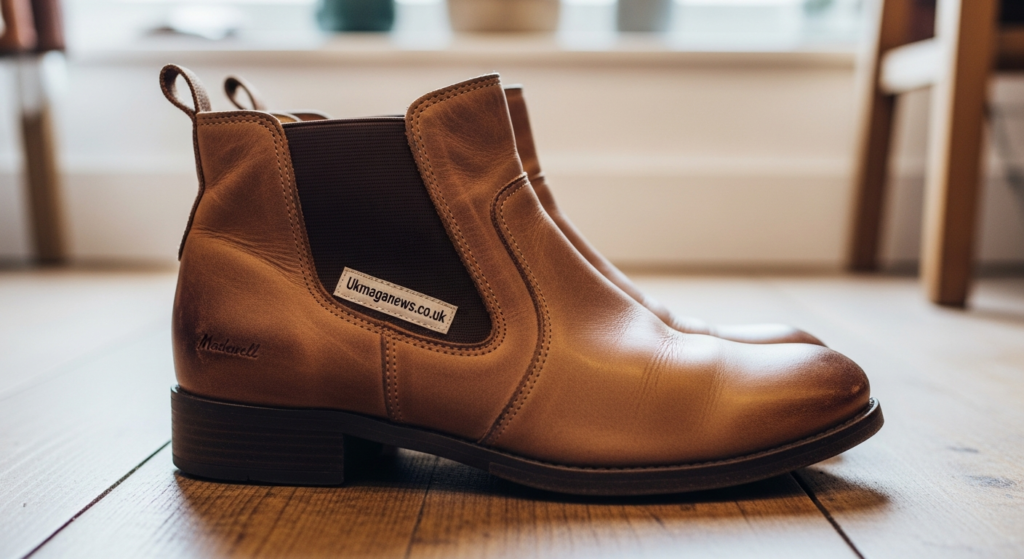
The Lugsole Chelsea Boot
Chelsea boots are having an extended moment in fashion, and Madewell’s version hits the mark. The chunky lug sole provides both visual interest and practical traction. The elastic side panels allow easy on and off while creating sleek silhouettes. The leather quality at this price point impresses most buyers.
These boots work across seasons and occasions. You can wear them with everything from jeans to midi skirts to tailored pants. The versatility justifies the investment for many buyers. They typically retail around $198 to $248 depending on leather type.
Sizing requires attention as reviews suggest they run slightly large. Many people size down a half size for optimal fit. The wider toe box accommodates feet that feel cramped in pointed Chelsea boots. This makes them accessible to people who typically struggle with this style.
The Sidewalk Low Top Sneaker
Madewell’s answer to classic leather sneakers combines simplicity with quality construction. These white or neutral sneakers feature premium leather uppers and cushioned insoles. The minimalist design means they coordinate with virtually everything in your closet.
The price sits around $98, positioning them between budget sneakers and premium options like Common Projects. The quality exceeds what you’d get from mall brands at similar prices. The leather cleans easily and develops character rather than looking trashed as it ages.
Comfort levels receive consistent praise from buyers. The cushioning supports all day wear without the foot fatigue common in fashion sneakers. The leather breathes better than synthetic alternatives, reducing sweat and odor issues. These factors make them genuinely wearable rather than just stylish.
The Remy Boot
When people discuss Madewell shoes, this ankle boot frequently dominates conversations. The Western inspired silhouette features a pointed toe and stacked heel. The design manages to feel both trendy and timeless, a difficult balance to achieve. Multiple leather options accommodate different budgets and preferences.
The heel height of approximately 2.5 inches provides elevation without discomfort. The shaft height works with both tucked in and over the top styling. The leather molds to your foot over time while maintaining structure. These boots have earned reputation as wardrobe workhorses that justify their $248 price tag.
Durability reports vary based on how heavily people wear them. Those who rotate them with other shoes report years of wear. People who wear them daily five days a week may see faster deterioration. This pattern applies to most shoes at this price point rather than representing specific quality issues.
Sizing Guide for Madewell Shoes
Getting the right size is crucial for comfort and longevity. Madewell shoes don’t always fit consistently across styles, making sizing information valuable before purchasing.
General Sizing Tendencies
Madewell shoes typically run true to size for most people. However, variations exist between shoe types and constructions. Boots often fit differently than sandals or sneakers even in the same size. Reading style specific reviews helps identify outliers before ordering.
Width considerations matter for many buyers. Most Madewell shoes feature medium width that accommodates average feet comfortably. People with particularly narrow or wide feet may need to try styles carefully. The brand doesn’t offer width options, limiting choices for those at extremes.
Half sizes are available in most styles, allowing for precise fitting. If you’re between sizes, the general recommendation is sizing up for closed toe shoes you’ll wear with socks. For sandals and shoes worn barefoot, your true size typically works best.
Style Specific Sizing Tips
Chelsea boots and ankle boots tend to run slightly large. Many reviews recommend sizing down a half size, especially if you plan to wear them with thin socks or tights. The elastic panels on Chelsea boots provide some size flexibility.
Sandals generally fit true to size but remember that leather stretches with wear. If sandals feel perfect in the store, they may become loose after a few wears. A slightly snug initial fit that isn’t painful usually breaks in perfectly.
Sneakers follow standard athletic shoe sizing pretty closely. If you know your Nike or Adidas size, that usually translates directly. The cushioned insoles take up some room, so you don’t need to size up like you might with thin insole shoes.
Mules and slides can be trickier since nothing secures your heel. These often work best when they fit snugly initially. Your foot shouldn’t slide around inside the shoe. A secure fit prevents both blisters and that annoying toe clenching people do to keep loose shoes on.
Quality and Construction Details
Understanding what you’re paying for helps evaluate whether Madewell shoes offer good value. The construction methods and materials directly impact how shoes perform and last.
Leather Quality
Madewell uses several leather grades across their shoe line. Their premium boots and shoes feature full grain leather, the highest quality available. This leather develops beautiful patina over time while remaining durable. The surface shows natural grain variations that many people love.
Mid range styles often use top grain leather, which is slightly processed but still good quality. This leather is more uniform in appearance and slightly easier to care for. It lacks some character of full grain but performs well for most purposes.
Suede options appear frequently in their collection. The suede quality sits firmly in the good category without reaching luxury brand levels. It requires standard suede care and protection. With proper treatment, it holds up well to regular wear.
Some budget friendly styles incorporate leather alternatives or split leather. These materials look good initially but don’t age as gracefully as higher grades. They’re fine for styles you won’t wear heavily but disappointing in pieces you want to last years.
Construction Methods
Most Madewell shoes use cement construction, where the sole is glued to the upper. This method is standard at this price point and allows for comfortable, lightweight shoes. However, it limits repair options since the sole can’t be easily replaced like with Goodyear welt construction.
The stitching quality is generally solid with consistent, even stitching throughout. Loose threads or skipped stitches are uncommon in new shoes. Any defects usually get caught by quality control or are eligible for returns.
Sole construction varies by style. Rubber lug soles provide excellent traction and durability. Leather soles look elegant but require protective additions for wet weather and wear faster on pavement. Understanding your climate and usage patterns helps choose appropriate sole types.
The interior finishing receives attention with most styles featuring leather or fabric linings. Cushioned footbeds are standard, though the quality varies. Premium styles have substantial memory foam or cork footbeds while budget options offer thinner padding.
Comfort Factor and Break In Period
Comfort makes or breaks shoe purchases regardless of how stylish they look. Madewell shoes generally score well in comfort but require understanding of break in processes.
Most Madewell shoes need some break in time before reaching optimal comfort. Leather shoes especially require the material to soften and conform to your feet. Expecting immediate all day comfort on the first wear sets you up for disappointment. Plan for a gradual wearing in process.
The break in period typically lasts about a week of regular wear for leather styles. Wearing shoes around your house for increasingly longer periods helps speed the process without risking blisters during important events. Using leather conditioner can soften stiff areas slightly.
Once broken in, most people find Madewell shoes quite comfortable for extended wear. The cushioned footbeds and thoughtful construction support all day activities. They work for jobs requiring standing or cities demanding walking. This practical comfort distinguishes them from fashion only brands.
Problem areas when they occur typically involve heel rubbing or tight toe boxes during break in. Band aids or heel grips can prevent blisters while leather stretches. If shoes cause pain rather than minor discomfort, that likely indicates wrong size rather than normal break in.
Comparing Madewell to Competitor Brands
Understanding how Madewell shoes stack up against alternatives helps make informed purchasing decisions. Several brands compete in the same space with different value propositions.
Madewell vs Everlane
Everlane positions similarly as transparent, ethical accessible luxury. Their shoe prices run slightly lower than Madewell, typically $20 to $40 less for comparable styles. The minimalist aesthetic differs from Madewell’s slightly more detailed designs.
Quality sits in the same ballpark between the brands. Both use good leather and solid construction at their price points. Everlane emphasizes factory transparency while Madewell focuses on American heritage aesthetic. Choose based on style preferences and which brand’s values resonate.
Madewell vs Sam Edelman
Sam Edelman offers trendier styles at comparable or slightly lower prices. The designs change more frequently with seasons, making them less timeless than Madewell. Construction quality is similar though leather grades may be slightly lower.
If you want shoes that feel current with trends, Sam Edelman delivers. If you prefer classic styles that work for years, Madewell serves better. Both represent solid value in the affordable premium category.
Madewell vs Nisolo
Nisolo emphasizes ethical production and sustainability at price points overlapping with Madewell. Their designs lean more minimalist and the construction quality often edges slightly higher. However, style selection is narrower.
Nisolo shoes may last marginally longer due to construction choices, but Madewell offers more fashion forward options. If sustainability is your top priority, Nisolo wins. If you want more variety and trend awareness, Madewell delivers.
When to Buy and How to Find Deals
Madewell shoes represent better value during sales than at full price for most styles. Understanding the sale cycle helps maximize your budget.
Madewell runs major sales several times annually. The best deals appear during their semi annual sale events, typically in late June and late December. Discounts reach 40% to 50% off on sale items during these periods. Popular sizes and styles sell quickly, so early shopping helps.
Additional 20% to 30% off promotions happen throughout the year, often around holidays. Signing up for their email list provides advance notice of these sales. The insider program offers early access to sales, making it worth joining if you shop there regularly.
Shopping the sale section year round can yield great finds. New items get added to sale weekly as inventory shifts. Checking regularly, especially in your size, sometimes uncovers gems at significant discounts.
End of season clearance provides excellent opportunities. Summer sandals get deeply discounted in fall, boots go on sale in spring. If you plan ahead and buy off season, you can build a collection at a fraction of full retail cost.
Care and Maintenance for Longevity
Proper care significantly extends the life of Madewell shoes, improving the value of your investment. Most styles need minimal but consistent maintenance.
Leather Care Basics
Leather shoes benefit from regular conditioning every few months. Use quality leather conditioner appropriate for the leather type. This prevents cracking and keeps leather supple. Cleaning before conditioning ensures you’re not sealing in dirt.
Weather protection is essential for shoes you wear in rain or snow. Waterproofing sprays designed for leather create protective barriers. Apply before first wear and reapply seasonally. This prevents water stains and extends leather life dramatically.
Store leather shoes with shoe trees or stuffed with paper to maintain shape. Allowing leather to rest between wears lets moisture evaporate and prevents breakdown. Rotating shoes rather than wearing the same pair daily makes everything last longer.
Address scuffs and scratches promptly with leather cream in matching colors. Minor damage caught early is easily fixed. Ignored problems spread and become permanent. A small care kit with conditioner and cream pays for itself quickly.
Suede Maintenance
Suede requires different care than smooth leather. Invest in a suede brush and eraser for cleaning. Brush regularly to lift nap and remove surface dirt. The eraser handles small stains and scuff marks.
Suede protector spray is non negotiable for wearability. Apply multiple light coats before first wear. Reapply monthly if you wear the shoes frequently. This protection repels water and stains that would otherwise ruin suede.
Avoid wearing suede in heavy rain if possible. If suede gets wet, stuff with paper and let air dry slowly. Don’t use heat, which can damage the material. Brush once dry to restore the nap.
Are Madewell Shoes Worth the Price?
The ultimate question comes down to value. Whether Madewell shoes justify their cost depends on your priorities and circumstances.
For people who value classic styling and plan to wear shoes for years, Madewell offers solid value. The designs remain relevant across seasons and the construction quality supports extended wear. Cost per wear becomes reasonable if you actually wear them regularly.
If you primarily buy trendy styles you’ll want to replace next season, Madewell may represent less value. You’re paying a premium for longevity and quality that you won’t fully utilize. Fast fashion brands might serve you better.
The shoes make most sense for building a core wardrobe of reliable pieces. A quality pair of black ankle boots, neutral sneakers, or versatile sandals from Madewell can anchor your shoe collection. These foundational pieces justify investment more than fashion experiments.
Buying during sales significantly improves the value proposition. At 40% off, Madewell shoes become genuinely well priced for their quality. If you can be patient and strategic, you get premium materials and construction at mid range prices.
Conclusion
Madewell shoes occupy an interesting position in the footwear market, offering accessible premium quality with timeless styling. The brand delivers on comfort, decent construction, and designs that work across multiple seasons. While prices sit higher than fast fashion, the quality and longevity typically justify the investment for people who wear their purchases regularly.
The key to satisfaction with Madewell shoes is understanding what you’re buying and setting appropriate expectations. These aren’t luxury shoes that will last decades with resoling. They’re also not disposable fashion that falls apart after one season. They sit comfortably in the middle, offering several years of good wear with proper care.
Shopping strategically during sales, choosing classic styles you’ll wear frequently, and maintaining your shoes properly maximizes the value of your Madewell shoe investment. For many women building thoughtful wardrobes, Madewell shoes represent smart additions that balance quality, style, and price.
What’s your experience with Madewell shoes? Do you have a favorite style that’s become your go to? Share your thoughts and help others make informed decisions about their next shoe purchase.
Frequently Asked Questions
Do Madewell shoes run true to size?
Most Madewell shoes run true to size, though some styles vary. Chelsea boots and ankle boots tend to run slightly large, with many reviewers recommending sizing down a half size. Sandals and sneakers typically fit true to size. Reading style specific reviews before purchasing helps ensure proper fit since consistency isn’t perfect across the entire line.
Are Madewell shoes good quality?
Madewell shoes offer good quality for their price point, using genuine leather and solid construction methods. They fall in the accessible premium category, meaning quality exceeds fast fashion but doesn’t reach luxury brand levels. With proper care, most styles last several years of regular wear. The leather quality varies by price within their line.
How long do Madewell shoes last?
Madewell shoes typically last two to four years with regular wear, depending on usage frequency and care. Shoes rotated with others and properly maintained last longer than those worn daily. The cement sole construction limits repair options but the leather uppers hold up well. Durability is solid for the price point.
Are Madewell shoes comfortable?
Most people find Madewell shoes comfortable after a break in period. The cushioned footbeds and thoughtful construction support all day wear. Leather styles require about a week of gradual wearing to reach optimal comfort. Once broken in, they work well for jobs requiring standing or walking. Comfort is a priority in their design.
Where are Madewell shoes made?
Madewell shoes are manufactured in various countries including China, Vietnam, Italy, and Mexico, depending on the specific style. The brand doesn’t manufacture exclusively in one location. Higher priced leather boots may be Italian made while more affordable styles come from Asian factories. Manufacturing location is typically listed on product pages.
Do Madewell shoes go on sale?
Yes, Madewell shoes regularly go on sale, with major discount events in late June and late December offering 40% to 50% off sale items. Additional promotions of 20% to 30% off happen throughout the year around holidays. End of season clearance provides deep discounts. Joining their email list and Madewell Insider program provides sale notifications and early access.
Can you return worn Madewell shoes?
Madewell’s return policy allows returns of unworn merchandise within 30 days for full refund or 60 days for store credit. Worn shoes are not eligible for return unless they’re defective. The quality guarantee covers manufacturing defects but not normal wear and tear. Keep tags and boxes until you’re sure about keeping the shoes.
What is the most popular Madewell shoe?
The Remy Boot and Boardwalk Sandal are among Madewell’s most popular and frequently recommended shoes. The Lugsole Chelsea Boot and Sidewalk Sneaker also have devoted followings. These styles consistently sell out and generate positive reviews across multiple years. They represent the brand’s aesthetic while delivering practical wearability.
How do you clean Madewell leather shoes?
Clean Madewell leather shoes with a soft cloth dampened with water for light dirt. Use leather cleaner for tougher stains, following product instructions. Condition leather every few months to prevent cracking. For suede styles, use a suede brush and eraser rather than water. Always allow shoes to air dry naturally and avoid direct heat.
Are Madewell shoes worth the money?
Madewell shoes offer good value for people who want classic styling and plan to wear them for years. The quality justifies the price better than fast fashion but isn’t luxury level. Buying during sales significantly improves value. They’re worth it for building a core wardrobe of reliable pieces but may not be the best choice for trendy styles you’ll replace quickly.
Also Read Ukmaganews.co.uk